
 EN
 Suomi
 Deutsch
 Svenska
 Eesti
 Polski
 Lietuvių
 Українська
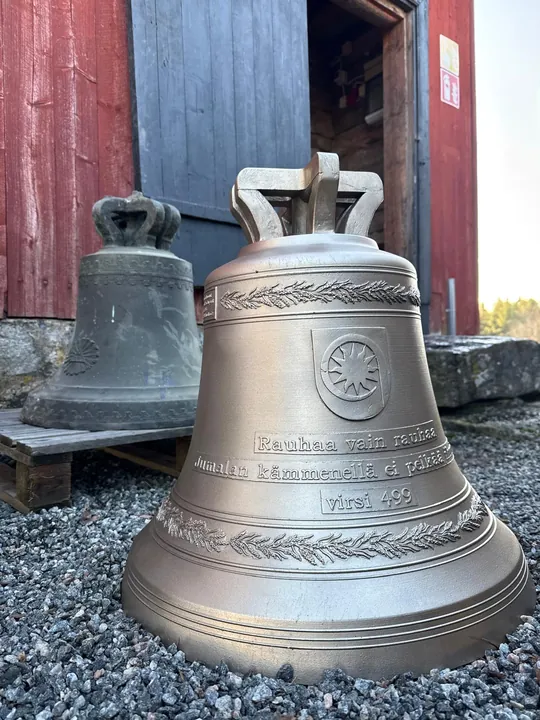
Church bells
Church bells for Lutheran, Orthodox and Catholic churches, singly or as a set. The bell is sized for the tower and its note matched to the existing bells.

New bells · design and casting
We supply new church bells for Lutheran, Orthodox and Catholic churches, as well as carillons and ship's bells. Every bell is designed for its church – note, size, inscriptions and decoration – and cast by the old traditional method.

New bells
Through us you can get every kind of new bell: church bells for all denominations, bell sets, carillons and ship's bells.
Larger bells are cast at our partner foundries in Italy and the Netherlands, where bell founding has a centuries-old tradition. Smaller bells and art castings are cast in our own foundry in Lapinjärvi. The smallest bells fit in the palm of your hand, and the largest bell we can supply weighs up to 18.5 tonnes.
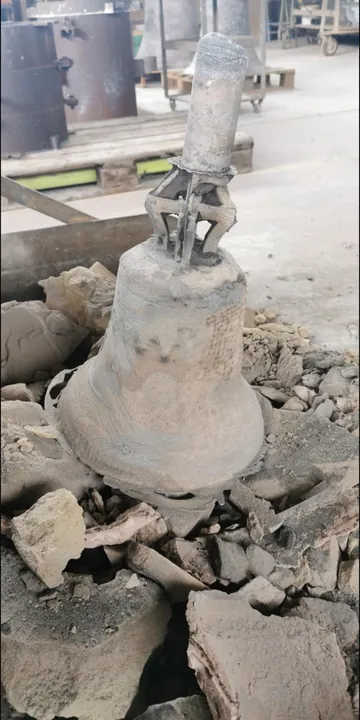
All bells are made by the old traditional method: in a clay mould and by lost-wax casting, in which the models of the decorations and inscriptions are made of real beeswax. The casting method goes back to the 16th and 17th centuries – the tools are modern, but the moulds are made and the bell is cast just as centuries ago.
Supavit Nummelin has already supplied more than a hundred new church bells. The hundredth bell was completed in 2024, and its side bears the cast inscription (in Finnish): “This is a jubilee church bell, the 100th that Supavit has supplied.”
Design
A new bell is always made to order. Design starts from the church and the tower – how the bell should sound, how it will be rung, and what should be left on its side for future generations.

Products
From a single church bell to a complete carillon – and from the foundry to a ringing installed in the tower.
Church bells for Lutheran, Orthodox and Catholic churches, singly or as a set. The bell is sized for the tower and its note matched to the existing bells.

In Orthodox ringing the bells hang still and the ringer strikes the clappers with ropes. We supply bell sets from large bells to small chiming bells, complete with ropes.
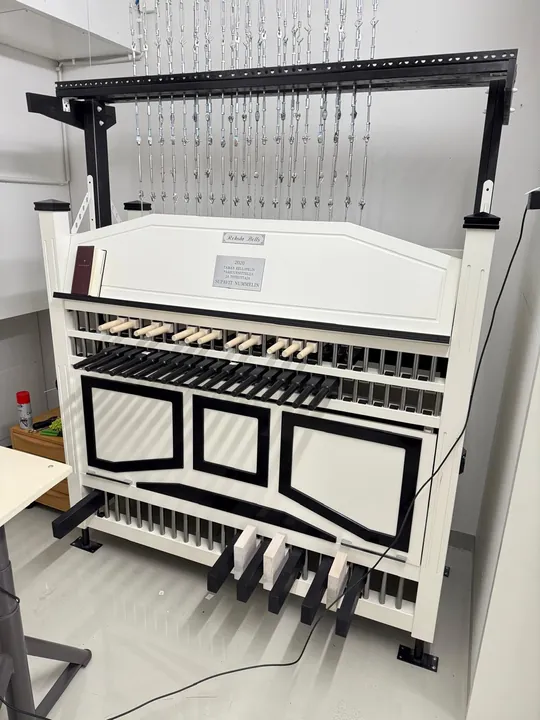
A carillon is a tuned set of bells played from a console with hand and foot keyboards. According to the plaque on the console in the picture, Supavit Nummelin is the chief designer and builder of the carillon (2020).

A bell for an anniversary, a donation or a memorial, with its own text, portrait or emblem cast on its side.
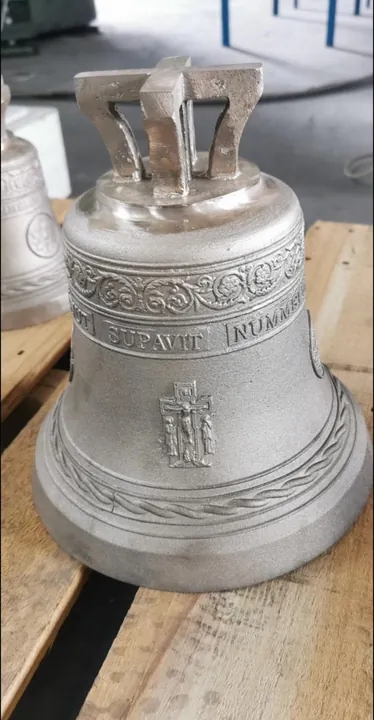
Ship's bells, small bells for chapels and yards, and art castings are cast in our own foundry in Lapinjärvi.
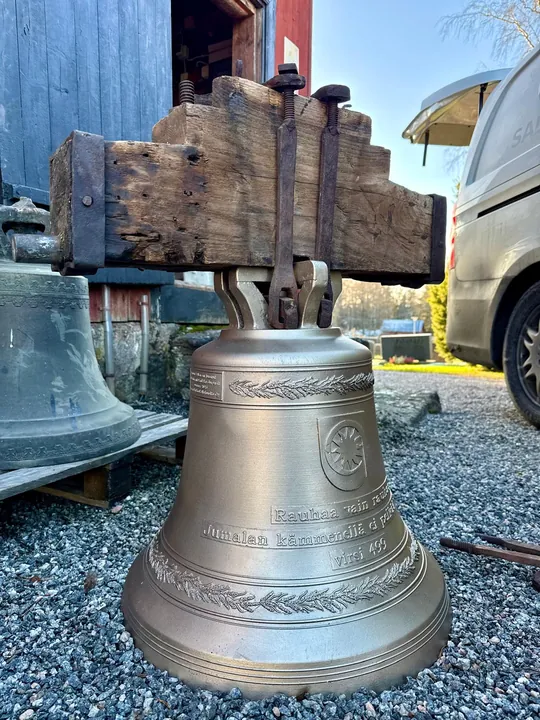
An old yoke and bell frame can often be reused when the new bell is sized to them, preserving the tower's original carpentry.

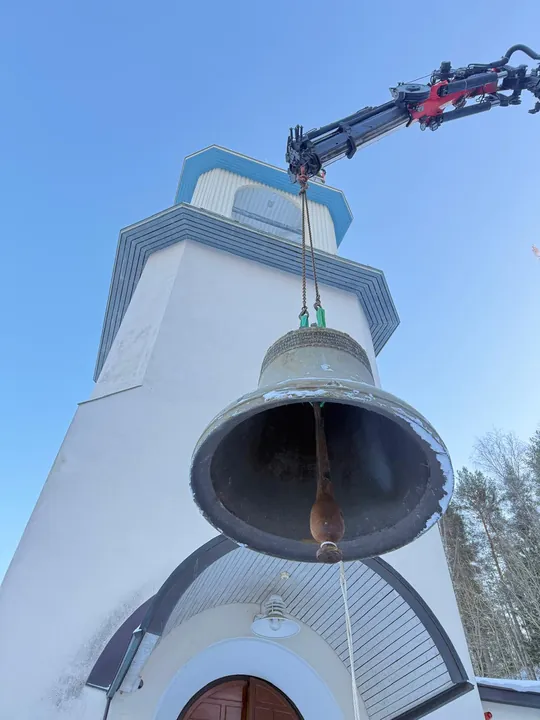
We handle transport, lifting into the tower by crane, hanging, controls and test ringing. New bells can be connected to the Kuossimo ringing automation, so that ringings, schedules and hour strikes take care of themselves.
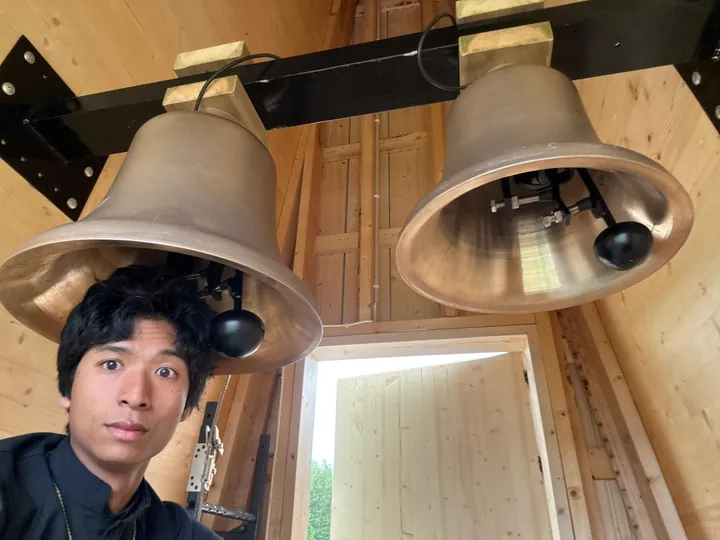
A cracked or poorly sounding bell can often be repaired, and an old bell is worth keeping whenever possible. A new bell is needed when more bells are wanted in the tower, a bell has been lost, or repair is no longer possible.
We assess the situation together with the parish and explain the options.
Yes. The notes of the existing bells are measured, and the new bell's note is chosen so that the bells harmonise.
A hymn verse, a Bible text, the name of the parish or donor, a year and pictures. The text is agreed before the mould is made, because it cannot be changed once cast.
This is determined before design. A swinging bell loads the tower and frame far more than a stationary one, so the structure is checked and reinforced if necessary.
Yes. The bell can be fitted with a swinging motor or a striking hammer and connected to the Kuossimo ringing automation.
It depends on the size of the bell and the foundry's schedule. We give an estimated delivery time with the quote.
Is your parish planning a new bell or set of bells? Tell us about the site and we will start the design.
Request a quoteFrom foundry to tower
Bell founding is an old craft. Once the structure of a bell's sound was understood, founders learned to shape the bell so that its partials sound in harmony. The craft developed in the Netherlands in the 17th century, was forgotten for a time and was rediscovered in the late 19th century.
A bell is deliberately cast slightly thick, because casting is not accurate to the millimetre. The final note is found in tuning by removing metal from the inside of the bell – precisely, and only as much as is needed.
“Rung with a clapper of the right size, a bell lasts a thousand years. If the clapper is too large, the bell can break within half a year.” – Supavit Nummelin
That is why the clapper, the yoke and the way of ringing are designed together with the bell. It is worth checking the clappers of the bells already in the tower when the new bell arrives.
Gallery
Contact details
Tell us about the site – the church, the tower, the existing bells and your wishes for the new bell's use, note and inscriptions – and we will start the design or prepare a quote.
