 EN
 Suomi
 Deutsch
 Svenska
 Eesti
 Polski
 Lietuvių
 Українська

Routine maintenance and condition surveys
Inspection and servicing of bells, clappers, bearings, headstocks and fixings. A written condition report and repair recommendations to support the parish's property planning.

Suomen kirkonkellohuolto Oy
Church bell maintenance, repair and installation, bell tower restoration and the Kuossimo bell automation system – throughout Finland.
Church tower technician
“A church bell is the largest, loudest, most expensive and heaviest percussion instrument.”
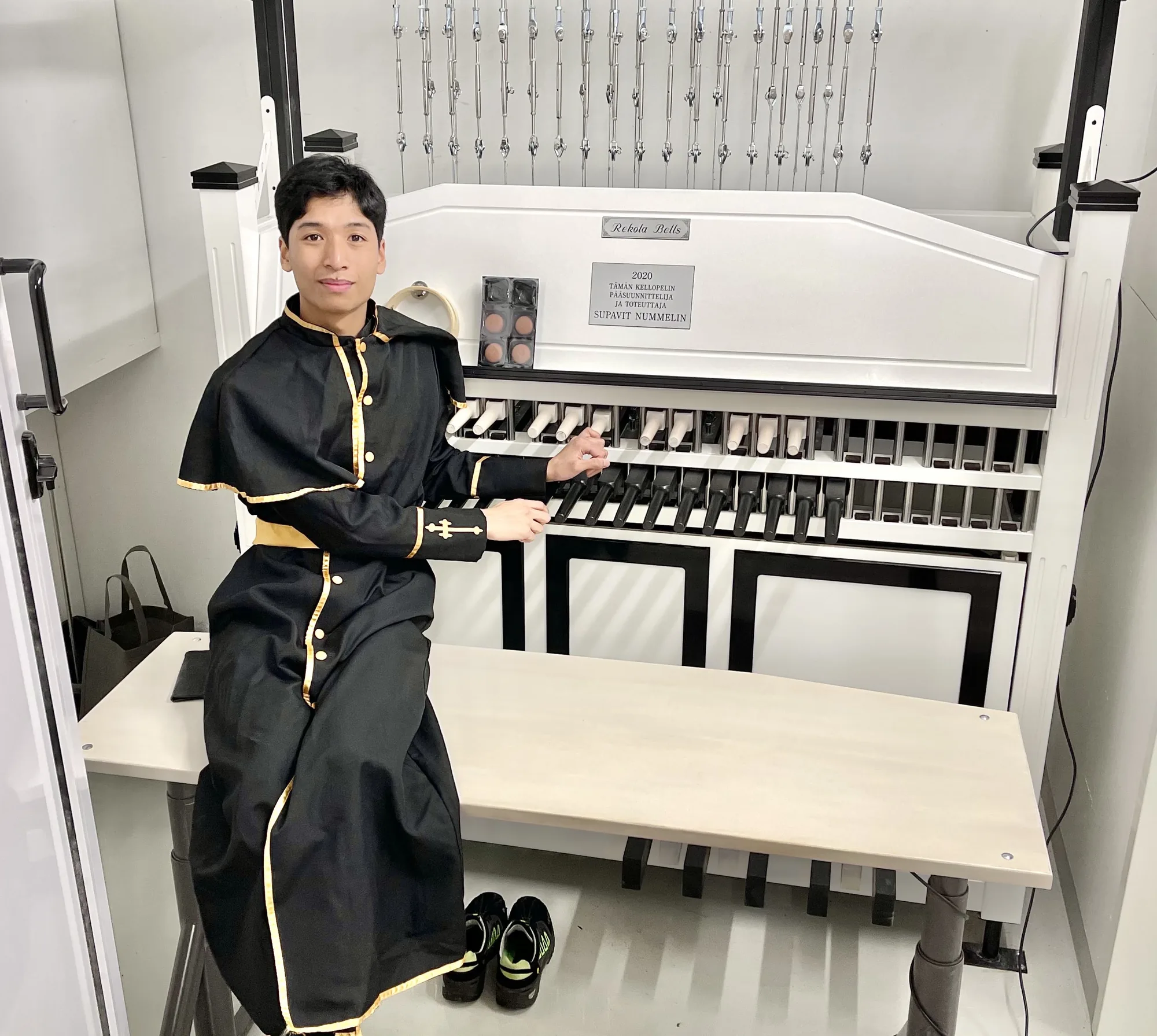
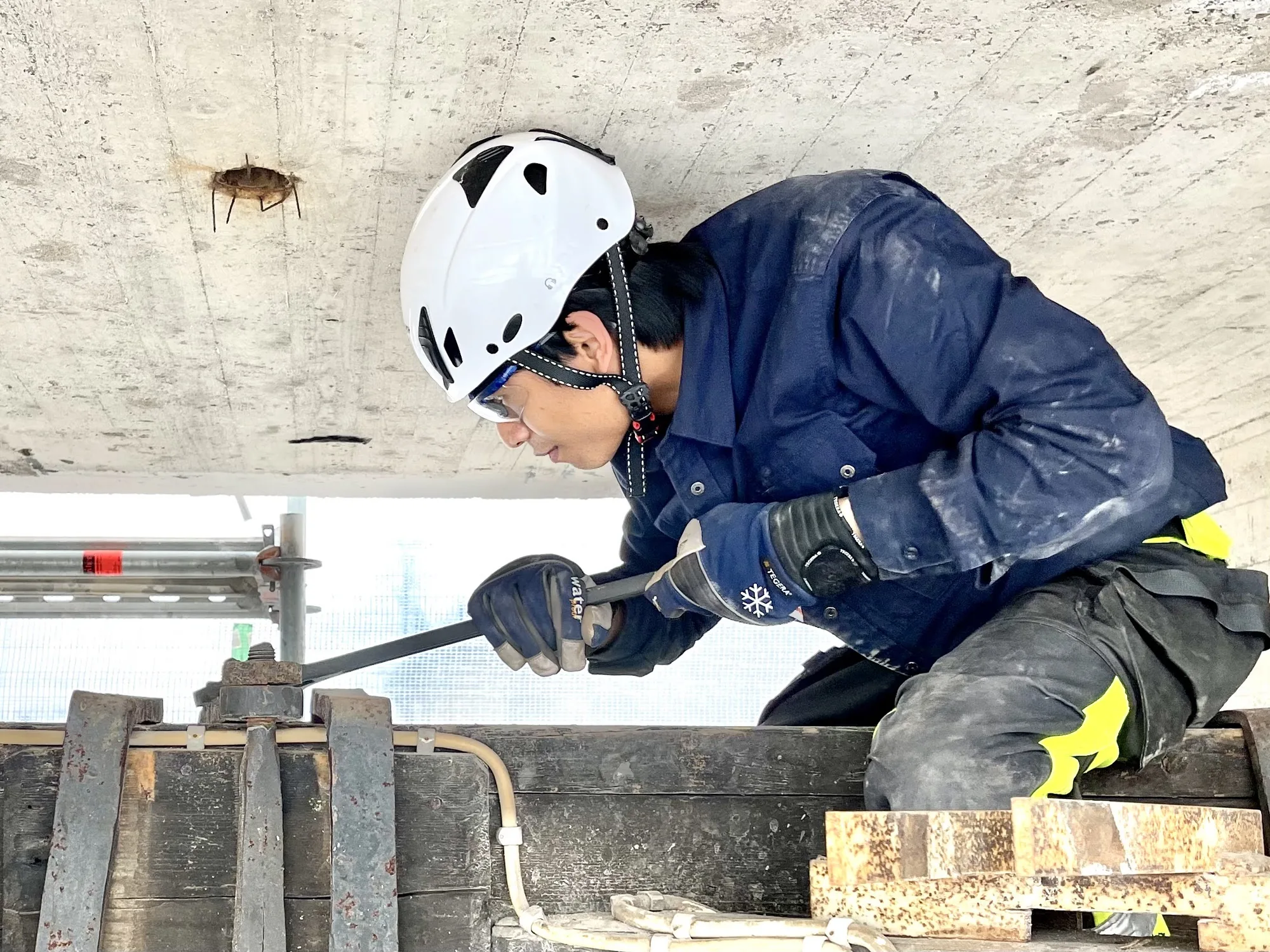
Supavit Nummelin is a church tower technician who maintains, repairs and installs church bells and restores bell tower structures across Finland. The work takes him to towers all over the country – and sometimes abroad.
His interest in bells was sparked in childhood in Rekola, Vantaa, where he got to know Rekola Church and its bells. The hobby grew into a profession: from a young age Supavit has climbed bell towers in Finland and around the world, studied ringing methods with Central European bell foundries and built up a collection of hundreds of bells.
His background includes wide-ranging craft and technical training – woodwork and metalwork, welding and machining – as well as experience at the Finnish National Opera's set workshop. Bell work combines structural engineering, strength of materials, electrics and electronics, and music. Perfect pitch helps him hear when a bell sounds the way it should.
One of Supavit's most significant projects is the carillon of Tikkurila Church in Vantaa, of which he was the lead designer and builder. The carillon was completed in 2020. Supavit was responsible for the whole, from the placement of the bells and their frames to the transmission wires and the playing console he built himself. See the photos →
Today Supavit lives in Kimonkylä, Lapinjärvi, where his home includes a self-built chapel with an organ, a bell tower and the Finnish Church Bell Museum.
“For me, this work is a calling.”
Services
From small adjustments to the restoration of an entire bell tower. We serve parishes, property owners and building contractors throughout Finland.
Inspection and servicing of bells, clappers, bearings, headstocks and fixings. A written condition report and repair recommendations to support the parish's property planning.
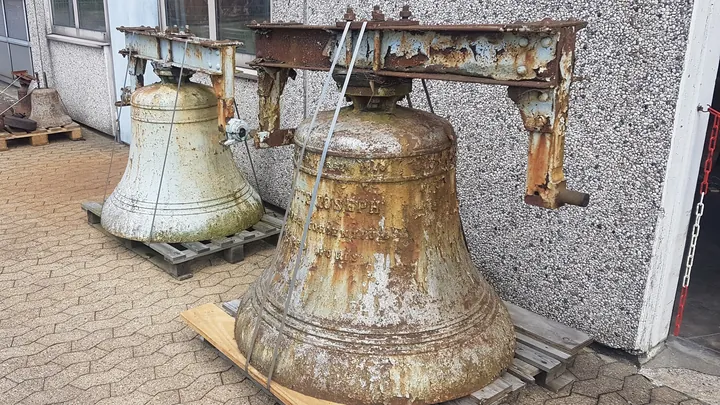
Replacement of clappers and clapper fittings, quarter-turning bells to a new striking point, cleaning and restoration of old bells and assessment of cracks and wear. Replacement and protection of iron parts damaged by weather and rust.
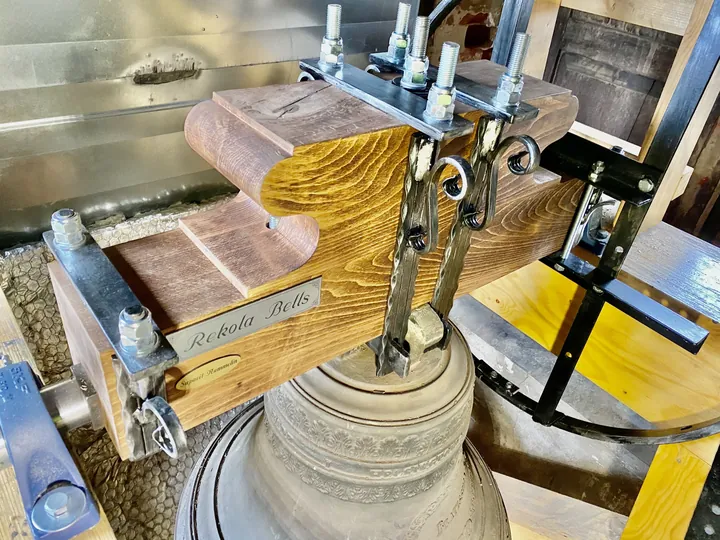
New wooden and steel headstocks, repair of bell frames and hangings, and rehanging of bells. Structures are dimensioned for the weight and swing of each bell.
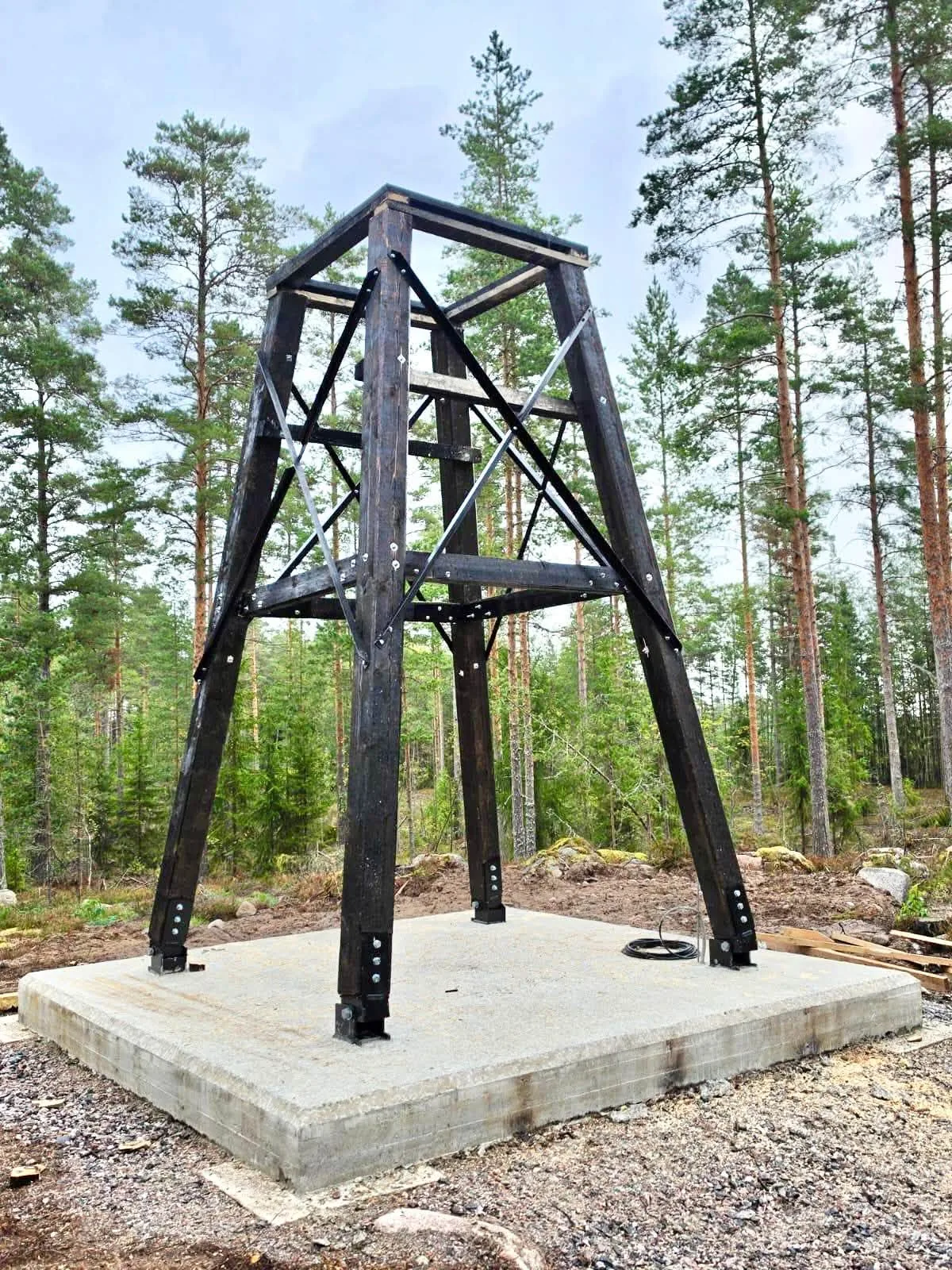
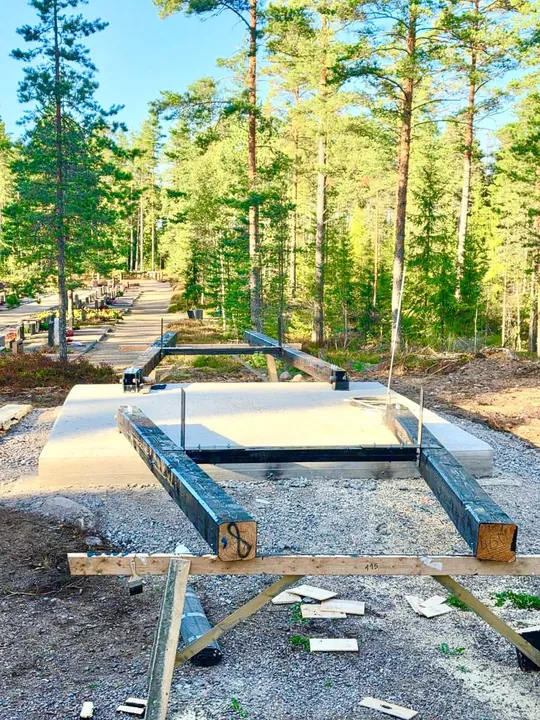
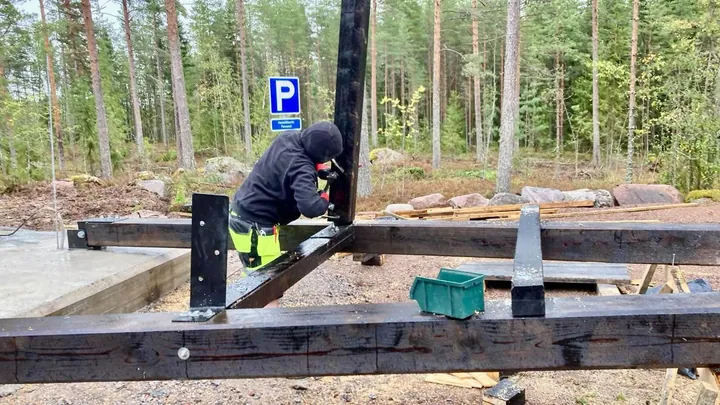
New
A new bell tower for a cemetery, chapel or camp centre, for example. One supplier covers the whole chain: foundations, load-bearing frame, bells and hangings, and ringing automation. The photos show a recent tower from foundations to finished frame.

Swinging motors, striking hammers and electromagnetic strikers installed and adjusted. Repair of old machinery or its replacement with modern technology.

Scheduled ringing, clock chimes, your own melodies and remote control in the browser. Read more about Kuossimo →
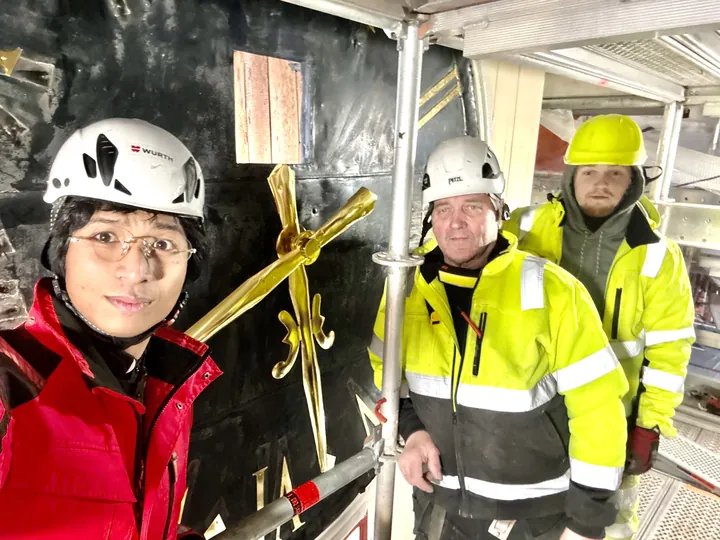
Restoration of load-bearing structures, floors, access routes, hatches and louvres in bell towers. Repair of tower crosses and other finials from scaffolding.
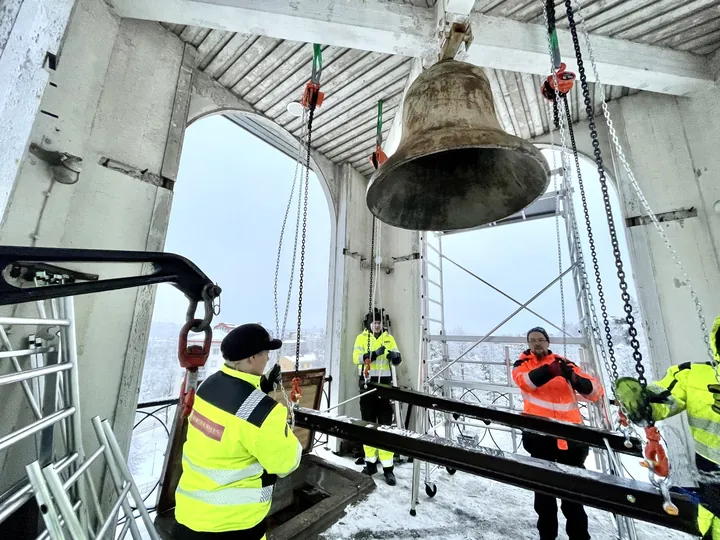
Safe dismantling, lifting and transport of bells and installation of new or restored bells. Lifts are carried out together with crane operators.

Help with acquiring new bells: planning of notes and sizes, 3D modelling to fit them into the tower, and installation and maintenance of carillons. Read more about new bells →

Bell ringing lessons for vergers and other ringers, guidance on liturgical bell ringing, and bell and organ concerts.

A changed or buzzing tone often points to a hidden fault. The bell's tone, pitch and clapper striking point are checked by ear and by measurement.

Old bells are restored with respect for the original: inscriptions, ornaments and the foundry's marks are preserved, and the work is documented for future generations.
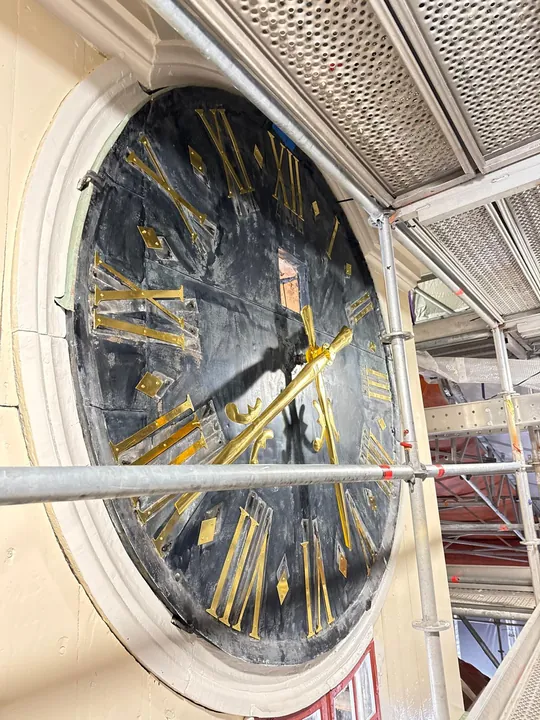
Repair and restoration of tower clock movements, dials, hands and striking on churches, town halls and stations. Read more about tower clocks →
Warning signs
A church bell is made to last for centuries, but its hanging, clapper and machinery wear out. The verger is usually the first to notice changes. Here are the most common signs and what often lies behind them.
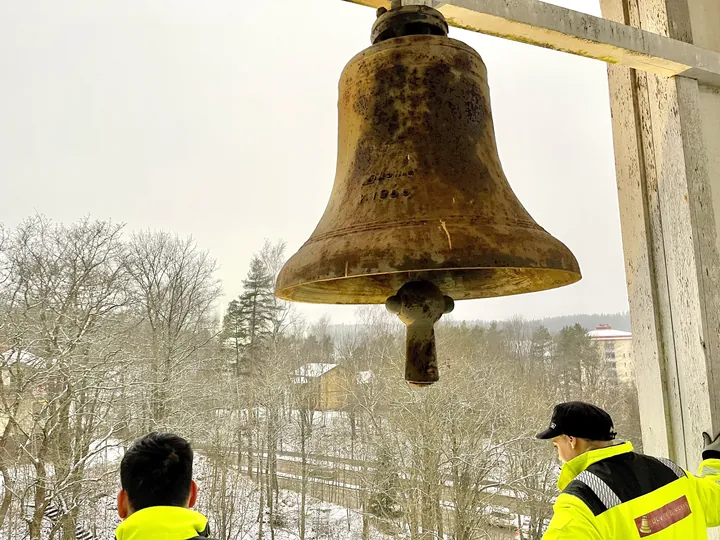
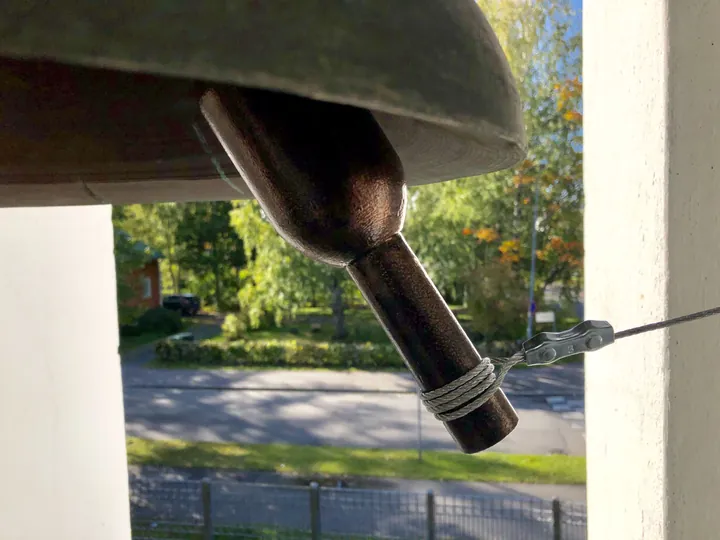
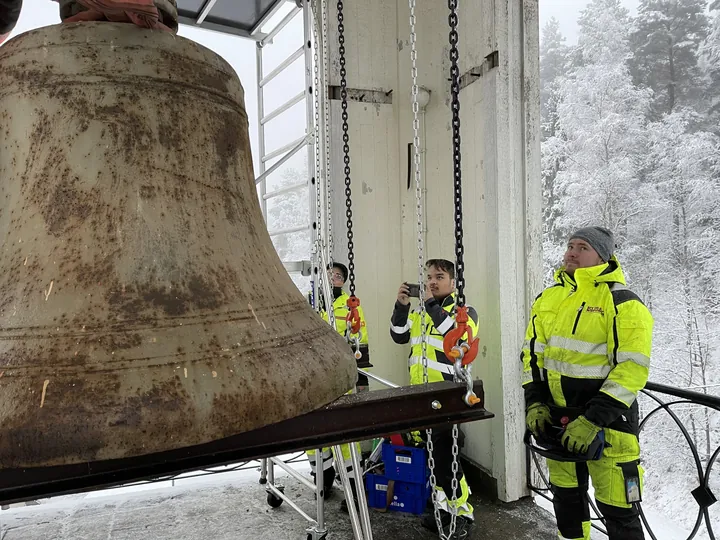
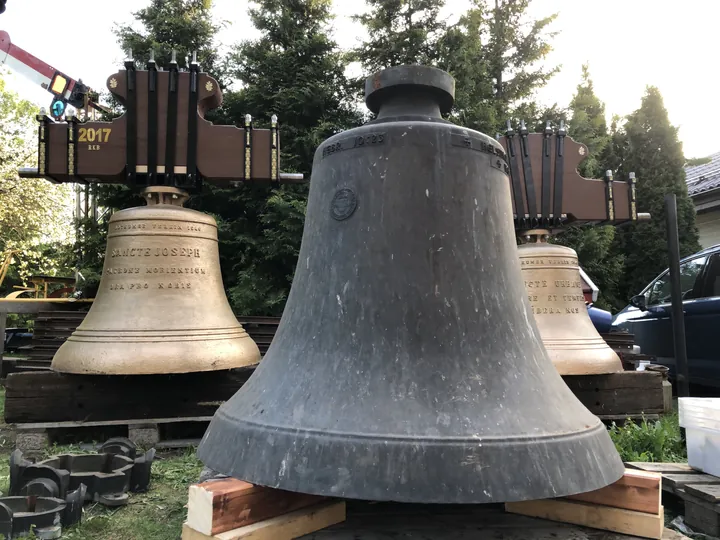
In most cases an old bell is worth restoring. It is audible local history, and its voice is familiar to generations. A worn clapper, tired hanging or old machinery can be renewed without touching the bell itself.
A new bell is worth considering if the bell is badly cracked, its tone has been lost or the peal is to be extended. The note and size of the new bell are then planned so that it harmonises with the old bells.
We recommend an inspection once a year. Regular maintenance costs less than an unexpected repair, and small faults are found before they damage the bell.
Yes. With an annual maintenance contract the inspection is carried out at an agreed time every year, and contract customers' faults are dealt with as a priority.
Sometimes. The location and size of the crack are decisive. Often, turning the bell so that the clapper strikes a new spot stops the damage from spreading. We assess the options case by case.
Most of the work is done in the tower. Bells are lowered only when restoration requires workshop conditions or the bell frame is being replaced.
Yes. Kuossimo is installed alongside or in place of the existing motors and hammers, and no major changes to the church are needed.
Call directly. If a bell does not ring or the hanging looks dangerous, stop the ringing and do not go up the tower until it has been inspected.
Do your church's bells need an inspection? Tell us about the site and we will arrange a visit.
Request a condition assessmentRinging automation
A Finnish church bell control system that Supavit has developed from his experience in the field. Kuossimo is used in a web browser – on a tablet in the vestry, a computer or a phone – and no separate app is needed.
The call to service, closing bells, evening bells, wedding bells, bells announcing a death… The church's own ringings as a clear list of buttons, with a red “stop all” emergency brake always at the top.
The verger plays the desired pattern on the bells, and Kuossimo records it with its strikes and pauses. A single wrong strike can be corrected in the ringing editor.
A drum-machine-style grid for writing ringings. The preview plays only in the browser, so a new ringing can be planned in the middle of the day without anything being heard outside.
Recurring ringings by weekday, one-off feast days and hourly strikes with lists of exceptions – everything rings by itself.
Supports electromagnetic striking hammers, clapper-swing ringing and true swinging, as well as opening and closing the tower hatches. Ringing can also be started from a wall switch.
In bypass mode the whole chain can be verified without the bells ringing. Over a remote connection, the system can be checked and updated without a site visit.
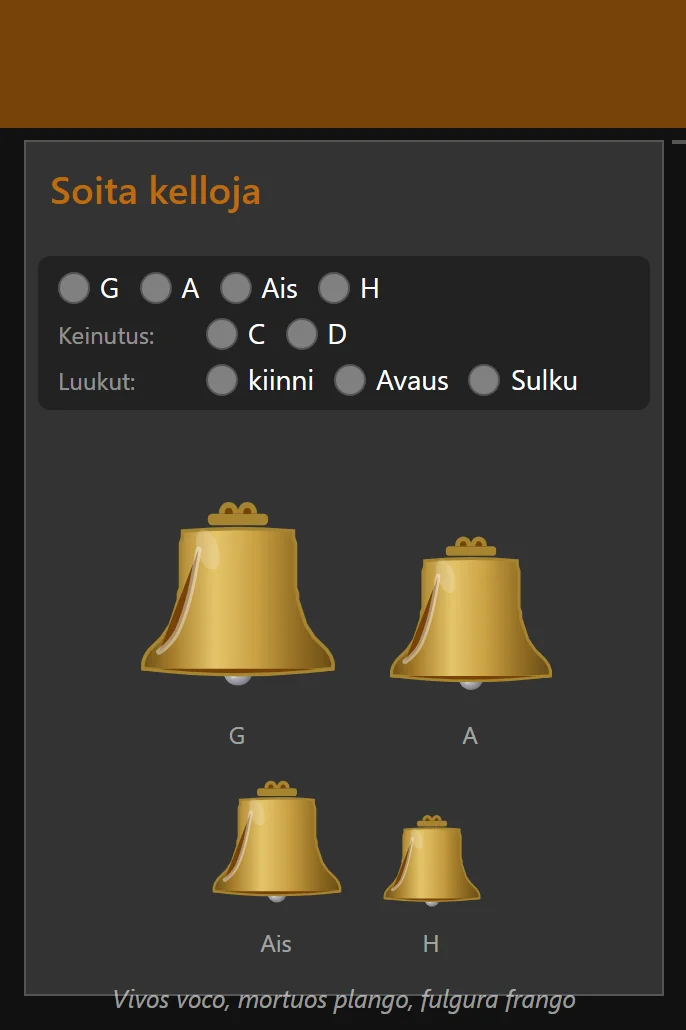
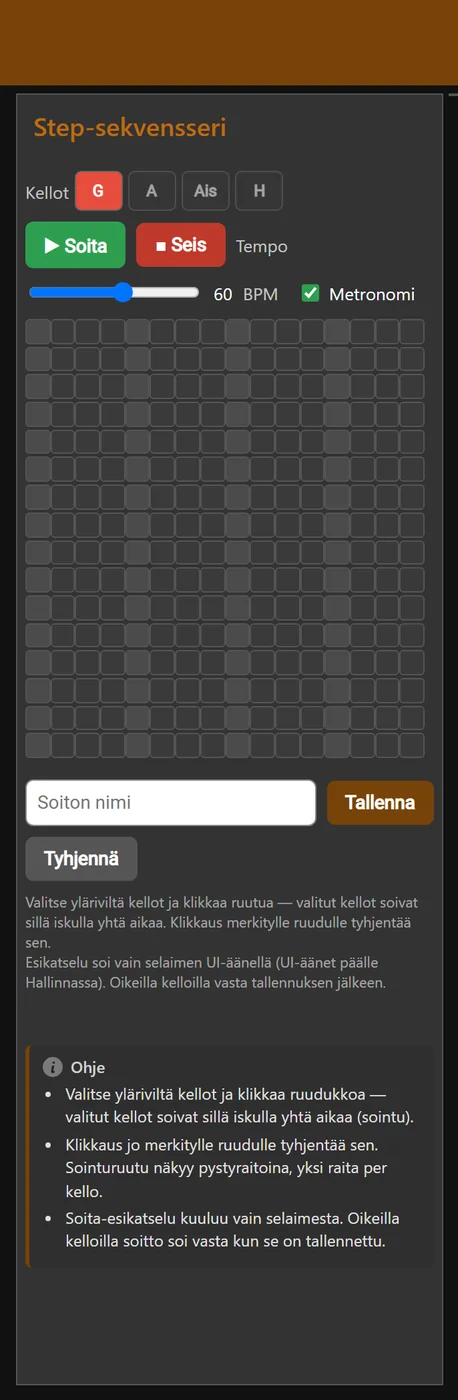
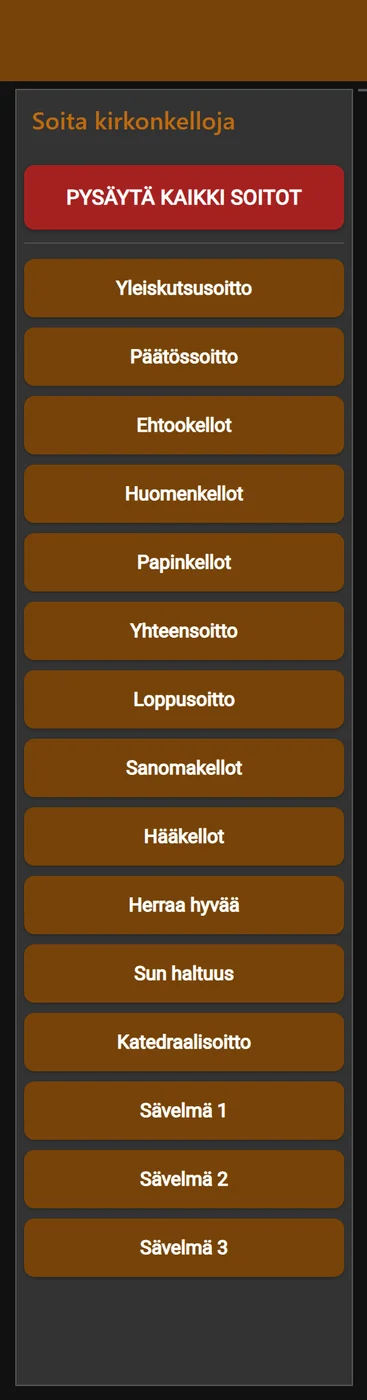
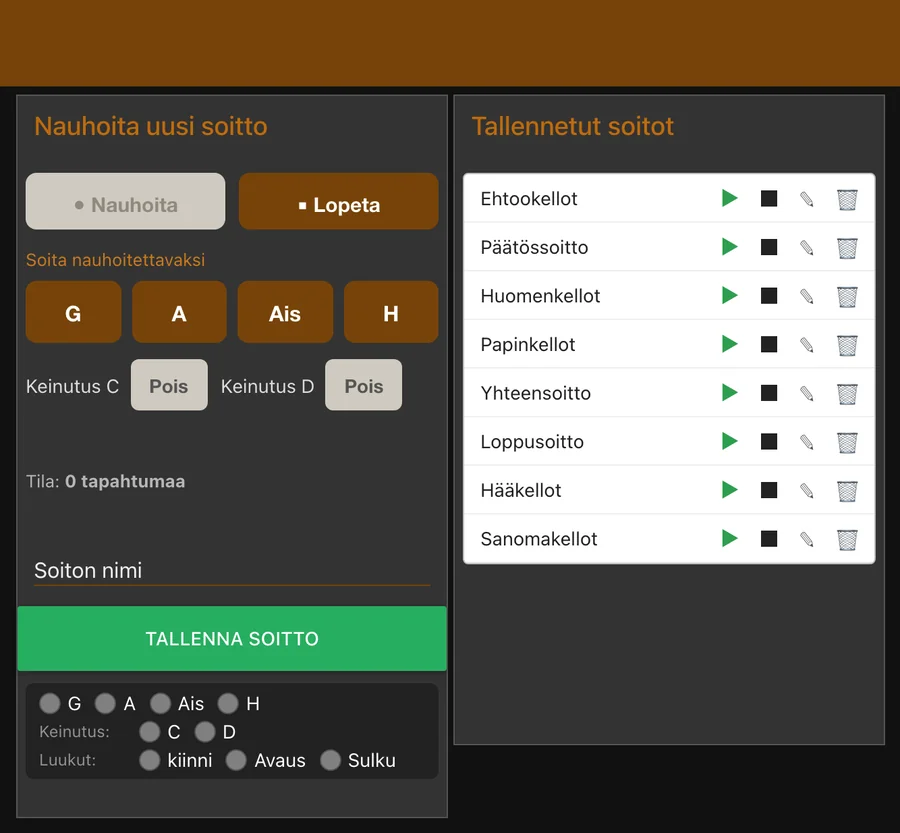
The system is in use across Finland, for example in Munkkiniemi in Helsinki, Olari in Espoo, Tikkurila in Vantaa, Kerava, Porvoo, Naantali, Runosmäki in Turku, and Kustavi.
Interested in Kuossimo for your parish church? The system can be installed with most existing bell machinery.
Ask for moreGallery
Contact details
Tell us about the site and what is needed – the number of bells, their condition and any timetable – and we will arrange an inspection visit or prepare a quote.